Oscar Wilde, a Time Machine, and the Fight Over Who Owns AI Art
A web designer, 624 Midjourney prompts, and an 1882 photograph of Oscar Wilde — inside the case that decides who, if anyone, owns AI art.
Twenty-four thousand fake accounts, a Treasury sanctions threat for theft, and a Justice Department brief sitting in Denver that says nobody owns any of it.
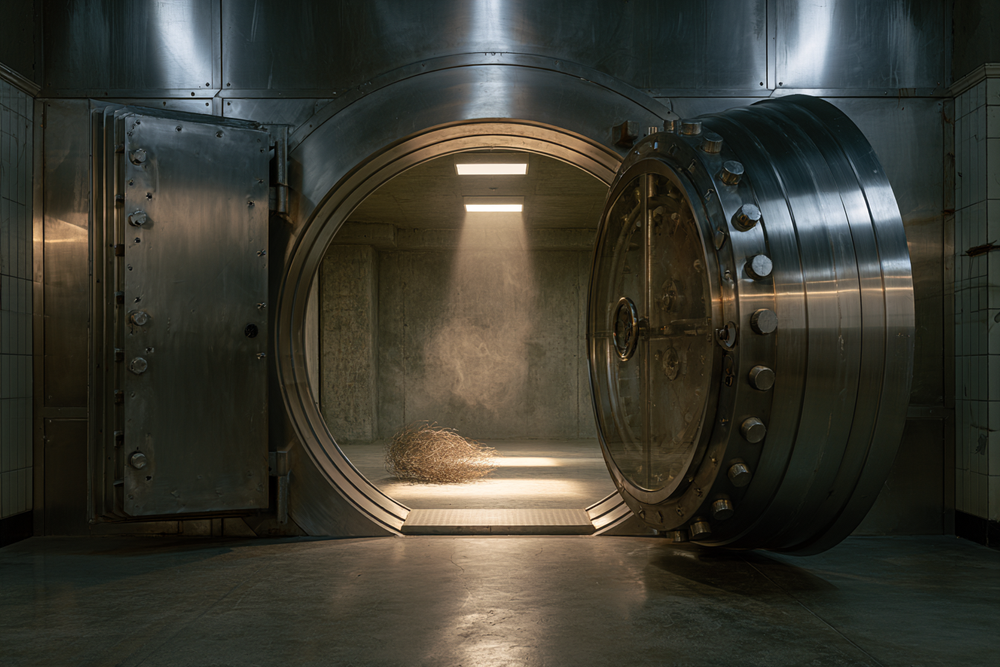
A web designer, 624 Midjourney prompts, and an 1882 photograph of Oscar Wilde — inside the case that decides who, if anyone, owns AI art.
Patagonia is suing an ally, drag climate activist Pattie Gonia, for $1. It feels like a betrayal. Trademark law says it mostly isn't.
Taylor Swift filed a sound mark application built around an Amazon Music ad for the album she's currently being sued over. The USPTO probably won't register it. Here's why — and why federal name-image-likeness legislation is what this whole conversation is actually missing.
Universal Music Group sued Quince — the $10 billion fashion brand — over Sabrina Carpenter's "Espresso," Fleetwood Mac's "Dreams," and three other hits in Quince's TikTok ads. It's the eighth brand in two years to walk into this buzzsaw. If you're a creator who's ever scored a paid post with a TikTo
The Trump DOJ abandoned the Live Nation antitrust case in a backroom settlement. 33 states tried it anyway and won on every claim. Then the DOJ congratulated everyone while backstabbing every American that's ever bought or plans to buy a ticket through Ticketmaster/Live Nation.
The TTAB's first precedential opinion of 2026 refused registration of an eight-slice pancake design as a trademark, finding the configuration functional — largely because the applicants' own marketing materials and arguments explained exactly why it's useful.
A federal judge permanently enjoined all federal agencies from implementing the Executive Order's directive to defund NPR and PBS, ruling that singling out two media organizations based on the President's disapproval of their coverage crosses the line from program design to punishment.
A new class action says Klarna combined Wall Street's originate-and-sell recklessness with payday lending tactics — and the Trump administration gutted the only agency that could stop it.
Sneaker influencer Nick Tuinenburg sold knockoff Nikes on Discord and launched his own Dunk lookalikes. A federal jury just hit him with $11 million in damages. The case is a warning to every brand founder who thinks copying a silhouette without the logo keeps them safe.
A jury in rural Ohio just handed Afroman a full defense verdict after seven sheriff's deputies sued him for turning footage of their botched raid into an album's worth of diss tracks. The trial featured a deputy who couldn't confirm whether Afroman's claim of sleeping with his wife was actually fals
Under U.S. copyright law, the photographer who takes a picture owns it — not the person in it. Cardi B is learning that the hard way.
California's AB 2013 survived xAI's legal challenge. AI companies must now disclose their training data. What they reveal could expose a copyright liability the industry has been betting against for years.
Nineteen of the 137 Venezuelans whom the Trump administration deported to El Salvador's CECOT megaprison under the Alien Enemies Act — the same men the government called terrorists, gang members, and enemies of the state — are now asking to be flown back to the United States to challenge those desig
The Department of War designated Anthropic — an American AI company — a "supply chain risk to national security," a label previously reserved for foreign adversaries like Huawei and ZTE. The reason? Anthropic won't remove two contract provisions: no mass domestic surveillance, and no autonomous weap